
It will be January 2, 2027 in 100 days.
That thought has been sitting with me today.
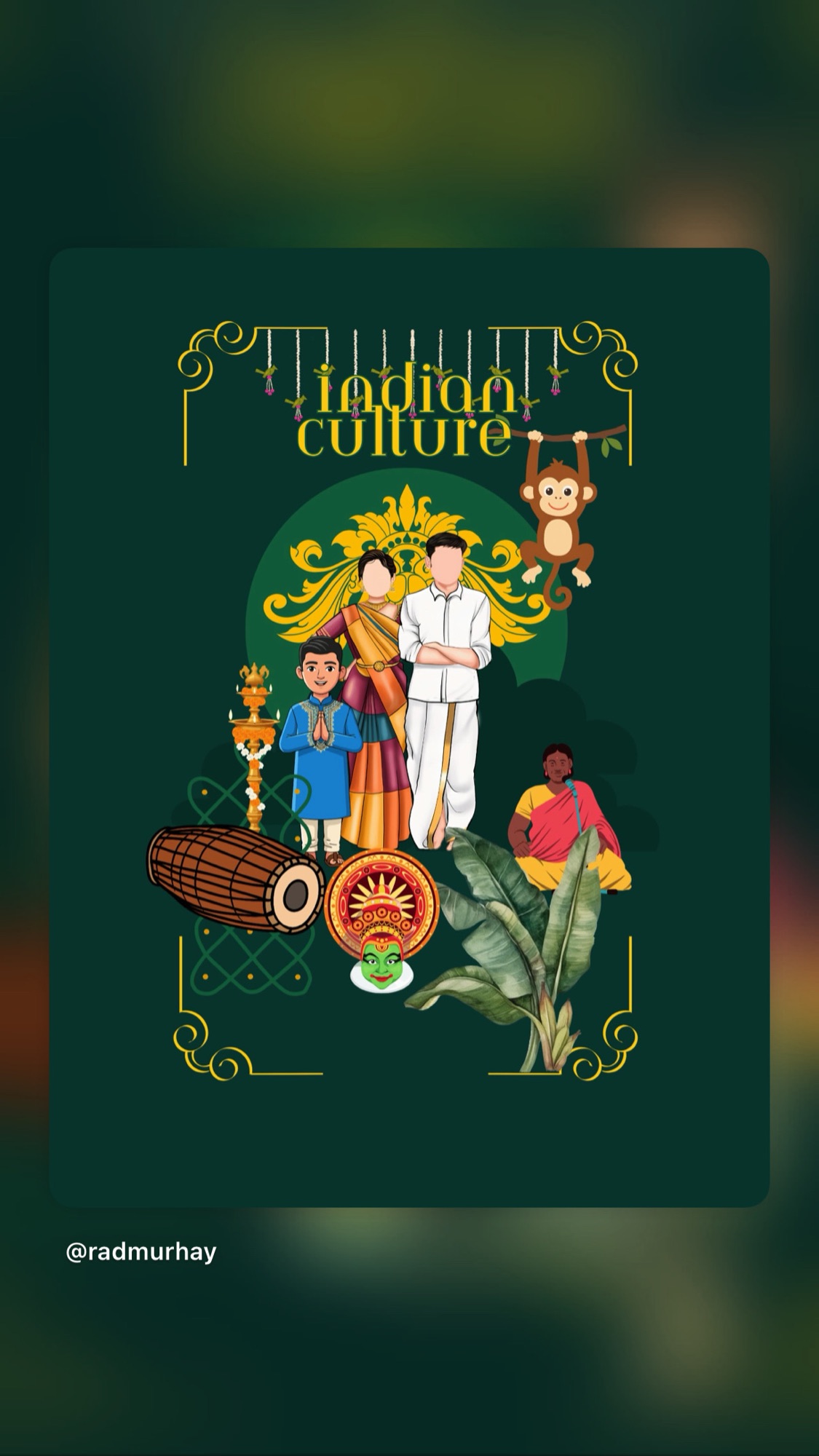
Somewhere in the last fortnight, Lord Ganesha quietly kicked off what feels like a long, wonderful season of Indian culture. Here in the Bay Area, the calendar is now filling up with Golu invites, classical dance, music, theater, food, festivals, pop-ups, exhibitions and cultural gatherings—spread across different communities and venues.
For the next hundred days, there will be plenty to see, hear, taste and experience, both IRL and in the digital world.
And perhaps that is what I find most interesting about Indian culture. In a world increasingly designed around instant gratification—scroll, swipe, like, move on—our cultural traditions continue to offer something much slower.
They tell stories.
They hold friendships, family relationships, love, conflict, loss, humor, duty and human complexity. They remind us that people are rarely simply one thing. There are lessons tucked into mythology, dance, music, food, ritual and craft—not always as instructions, but as stories that give us something to think about.
It can all feel wonderfully chaotic.
And perhaps that chaos is part of the experience.
But there is also something gentle underneath it: an invitation to pause.
To allow ourselves to experience a festival rather than simply document it.
To sit through a performance without checking the phone.
To eat something because it reminds us of home.
To notice the jewelry, textiles, music, gestures and colors that have traveled through generations.
To allow a hundred days to actually feel like a hundred days.
Of course, the Bay Area festival season comes with its own familiar ecosystem. Kanjivaram saree pop-ups appear. Jewelry and gift vendors follow. There are exhibitions, performances, food events and cultural gatherings everywhere.
And yet, I keep noticing a curious gap.
Where is the everyday festive menswear?
Not necessarily the elaborate kurta or formal wedding outfit, but something in between—clothes that feel Indian, festive and contemporary enough to wear to dinner, a concert, a community event or simply out into the world.
Perhaps someone will curate it for us here, just like we have vendors for woman’s wear and jewellery.
Perhaps I will keep looking, because we have a practical need to put men in my household in good Indian menswear collection and accessories too!
For now, I am interested in this hundred-day stretch as an experiment in paying attention.
Also to ponder over the questions below:
What happens when we stop treating culture as something that appears only on special occasions?
What happens when we allow it to become part of everyday life?
One hundred days is a long time.
There is plenty of room for stories.
Tell me how these hundred days will embrace your home!
Cheers
Radha
Leave a Reply